Private BJJ Lessons or Group Classes: Where Should You Start?
Once people start looking into jiu-jitsu, many wonder whether private BJJ lessons would help them learn faster than regular group classes. The short answer is that the two do different jobs. Group classes build your base over months of practice, while a private session focuses an hour of instruction on one person and one set of problems.
The useful question is not which option is better, but which one fits where you are right now. Gracie Barra Pelham lists Private Training alongside its kids, adult, and striking programs, so if you are weighing the two, it helps to know what each format does well and when an occasional private session is worth adding.
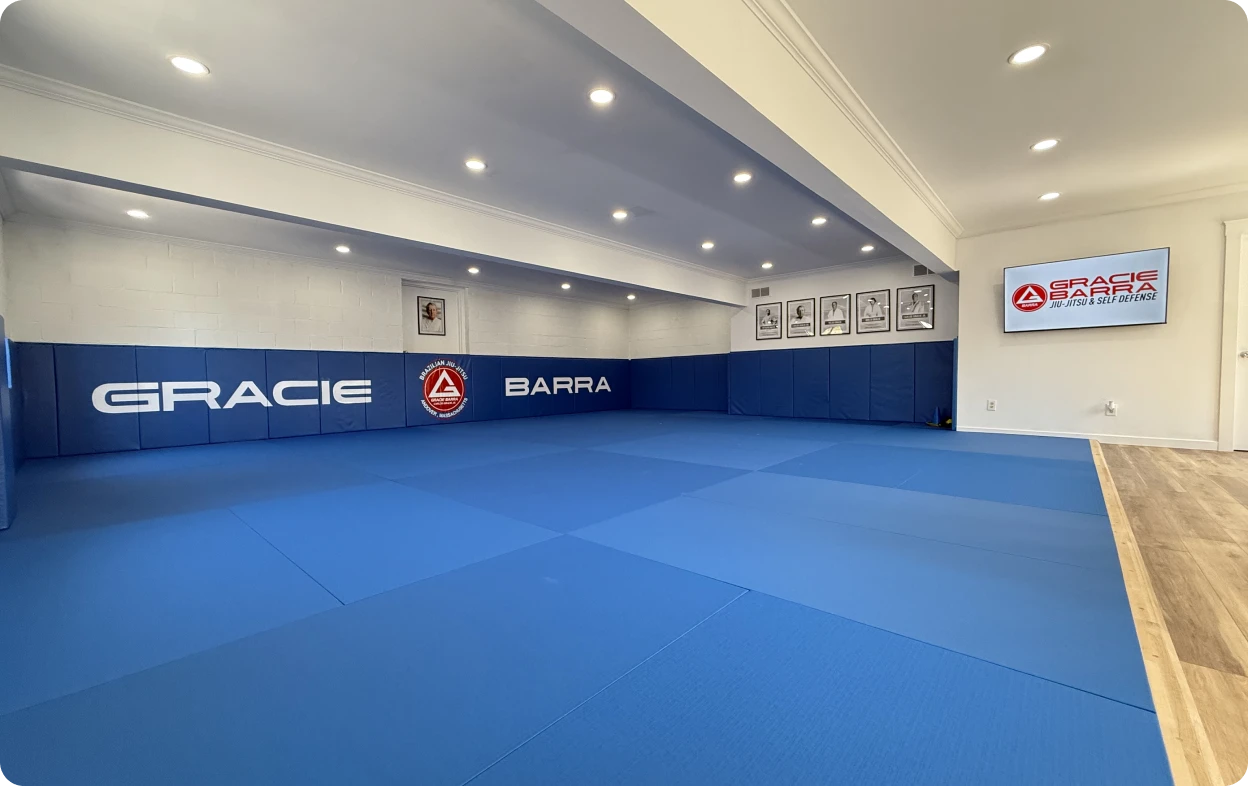
DISCOVER Gracie Barra Pelham
CLICK HEREWhat Group BJJ Classes Give You That Privates Cannot
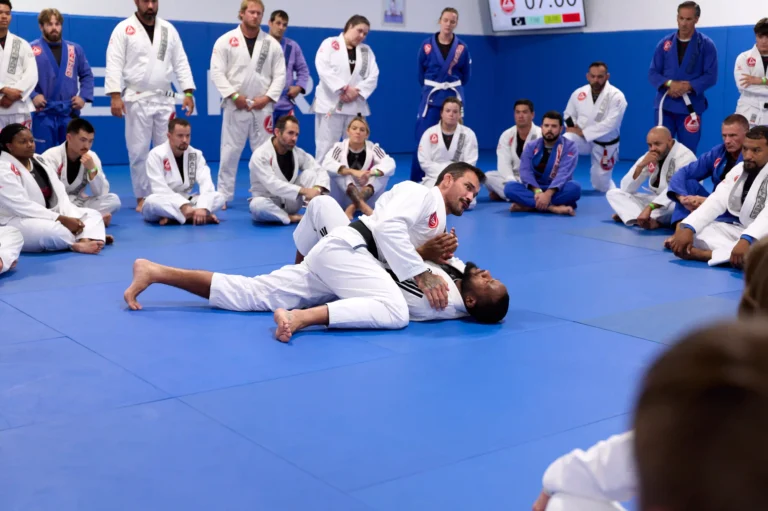
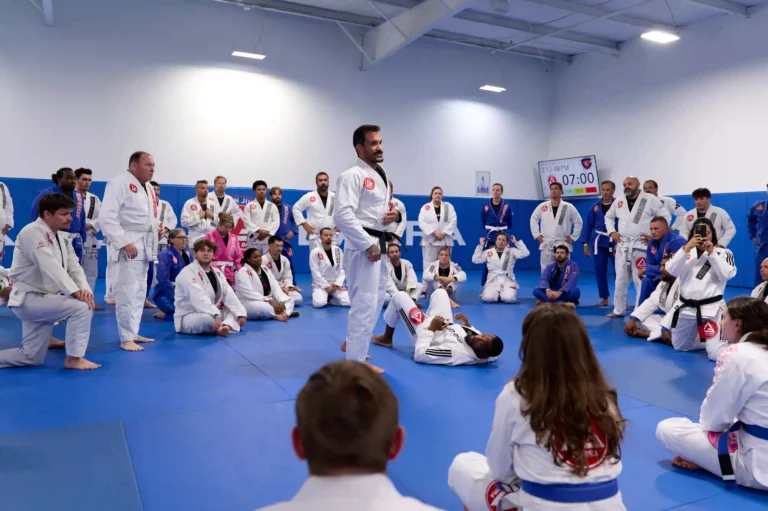
Group BJJ classes are where most of your learning happens. You see a technique demonstrated, drill it with a partner, and later try it against people who move differently from you. That variety matters. A move that works on a partner your size may fail against someone taller, stronger, or more flexible, and you only discover that by training with many people.
Groups also give your training a rhythm. A class schedule turns jiu-jitsu into a habit, and that habit does more for your progress than any single lesson. Understanding why consistent training drives long-term progress makes it clear why a private session cannot replace regular attendance.
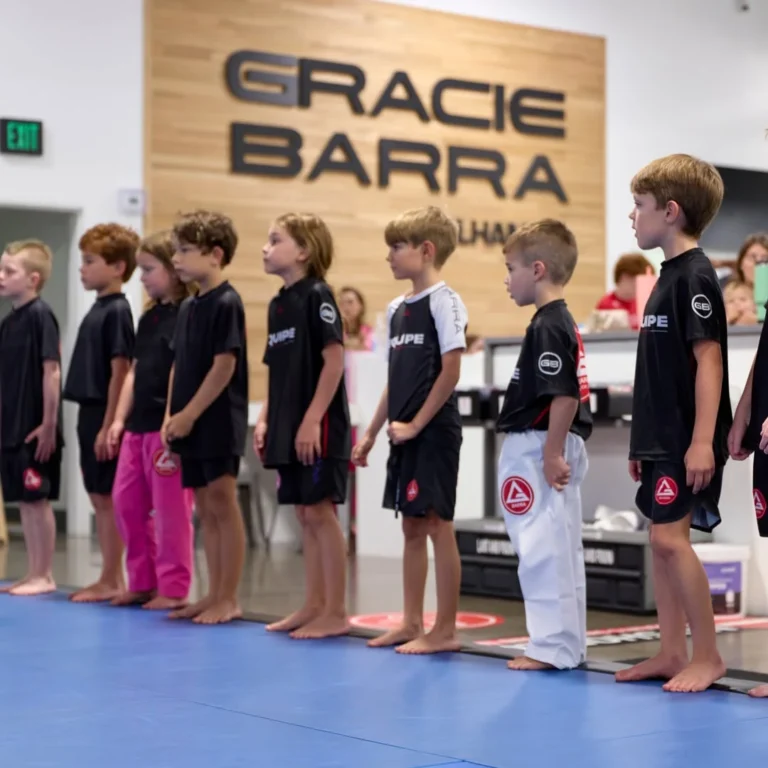
There is a social side too. Training partners notice when you miss a week, share what they learned, and give you people to roll with at your level. For most beginners, the academy's overview of its jiu-jitsu programs is the better starting point, since it shows how fundamentals classes are structured before live training enters the picture.
When Private BJJ Lessons Make the Most Sense
A private lesson is most valuable when you arrive with a clear reason. Without one, the hour can turn into a random sample of techniques you will not remember. Three situations tend to get the most out of one-on-one BJJ time.
Getting Unstuck on a Specific Problem
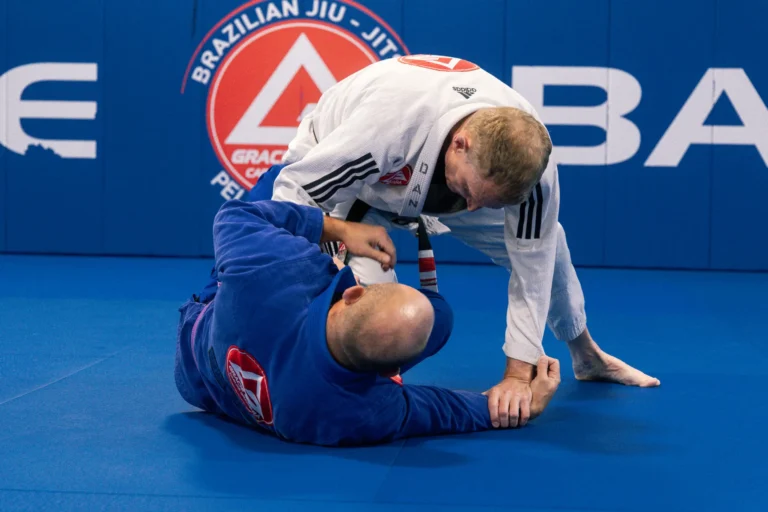
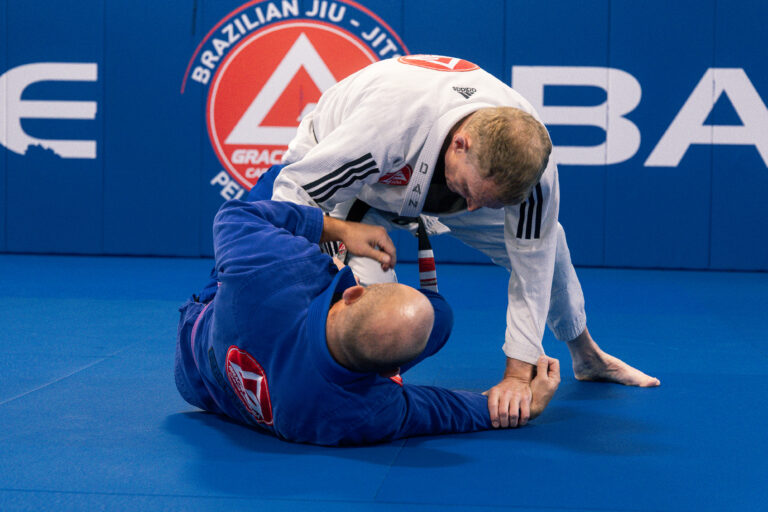
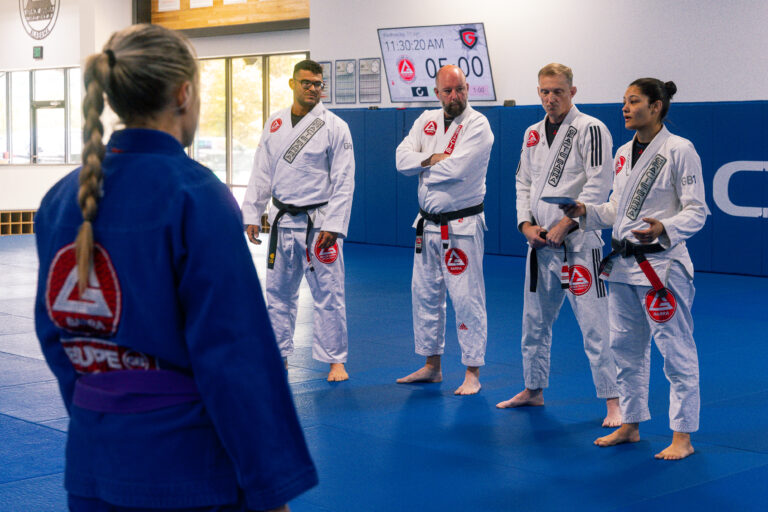
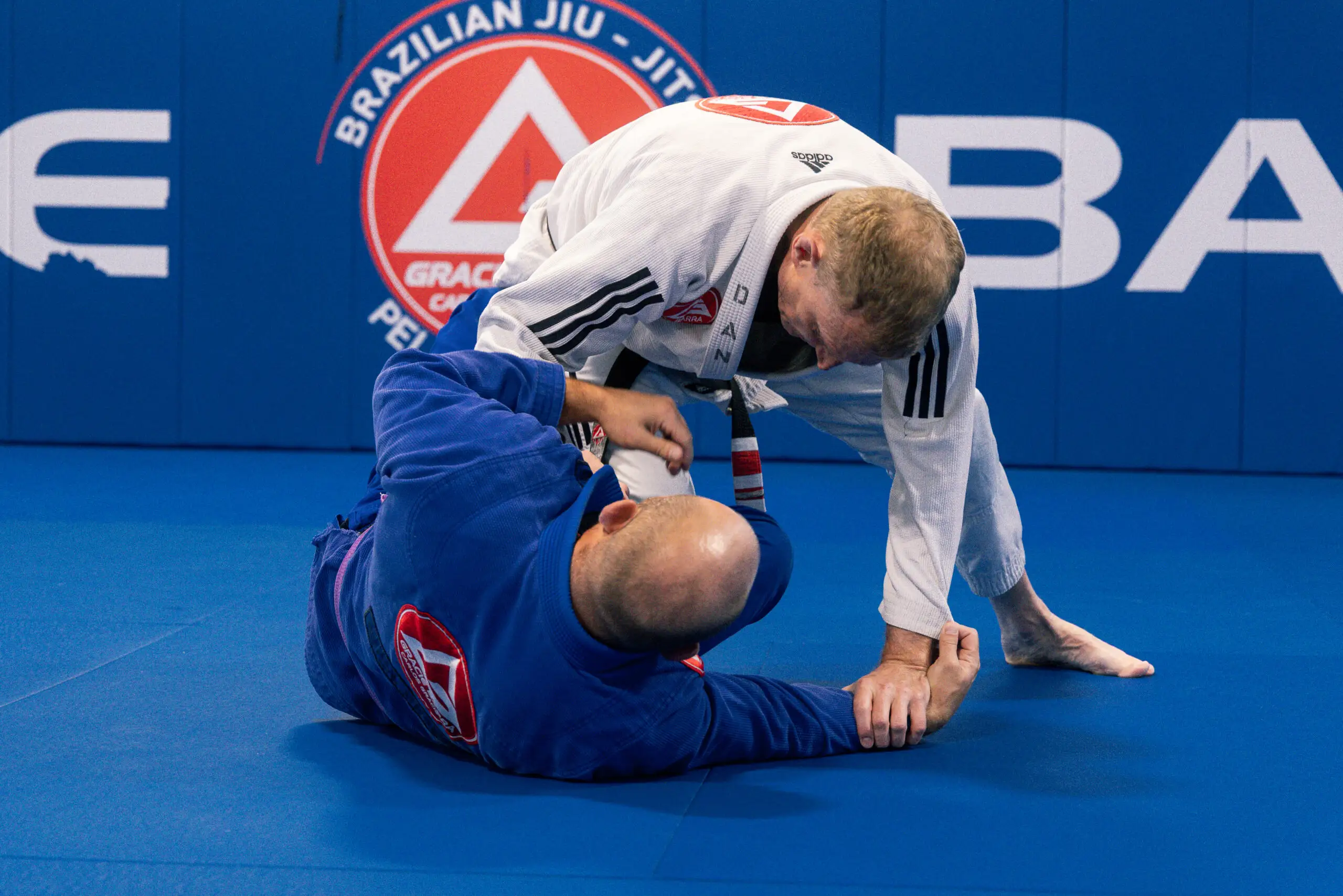
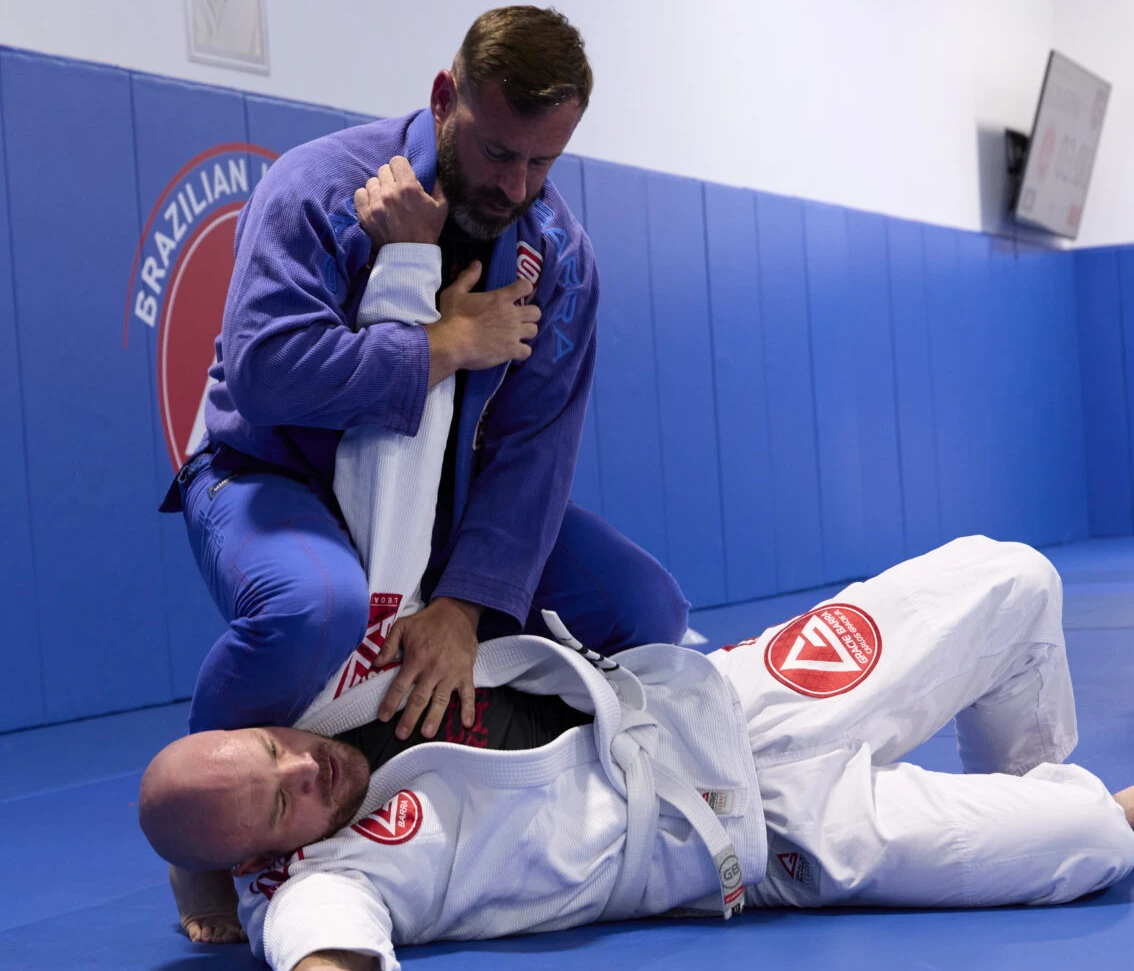
Maybe you keep getting passed from the same guard, or you can never escape side control once someone settles in. In a group class, the instructor has to divide attention among many students. In a private, the coach can watch you repeat the problem, spot where it breaks down, and adjust the details. That kind of focused correction is hard to get any other way.
Easing In When Group Classes Feel Intimidating
Some adults hesitate to join a group because they feel out of shape, uncoordinated, or worried about getting hurt. A few private sessions can cover the basic movements, how tapping works, and how to fall, so the first group class feels familiar. If takedowns are the main fear, reading about how beginners learn to fall safely can also take some pressure off.
Preparing for a Tournament or Coming Back From a Break
Competitors often use privates to sharpen a game plan or review match strategy. Students returning after time off can use one to rebuild timing before jumping back into hard rolls. If competing is on your mind, structured competition training camps cover the group side of that preparation.
How Private Jiu-Jitsu Training and Group Classes Work Together
The two formats work best as a pair. Group classes give you volume and variety, and private jiu-jitsu training gives you depth on the specific gaps those classes reveal. A common pattern is to train in groups most of the week and book an occasional private when something keeps going wrong.
Think of a private as the diagnosis and group classes as the repetition. The coach points out what to fix, and drilling it with many different partners over the following weeks is what actually makes the change stick.
Privates do not shortcut the belt system either. Instructors look at technique, attitude, and consistency over time, which is how stripes and belts are earned in jiu-jitsu. A private session can make your next months of group training more productive, but it does not replace them.
How to Prepare for a One-on-One BJJ Session
Write down one or two problems before you arrive, as specifically as you can. "I lose my guard" is a start; "my guard gets passed when they stand up" gives the coach something to work with. Bring the same gear you use for class, and be honest about injuries or limitations so the session can be adjusted.
During the lesson, ask to repeat a technique until you can do it without prompting, and take a phone note or short video afterward if the coach allows it. At Gracie Barra Pelham, the simplest way to learn how Private Training works, including availability, is to ask the staff directly before booking.
A Simple Way to Decide What You Need Next
If you are brand new, start with group classes and give yourself a few weeks to learn the basics alongside other beginners. If group classes feel like too big a first step, a private or two can make that step smaller. Either way, the goal is to reach the point where training with the group feels routine.
If you already train regularly, look for the problem that shows up in almost every roll. When you can name it clearly and class time has not fixed it, that is the right moment for a private lesson. Then take what you learned back to the group and test it against different partners.
DISCOVER Gracie Barra Pelham
CLICK HEREPrivate BJJ Lessons Work Best Alongside Regular Classes
Private BJJ lessons are a tool, not a replacement for showing up to class. They help most when you have a specific problem, need a gentler start, or are preparing for something particular. Group classes remain the place where techniques get tested and habits get built. If you train at Gracie Barra Pelham or are thinking about it, the two options can support each other rather than compete.
A good next step is to look at your own training honestly. If you have not started, find a beginner class. If you have, pick the one problem you would most like solved and bring it to a coach.