Feeling Nervous Before Your First BJJ Class?
Walking into your first BJJ class can feel like arriving at a party where everyone already knows each other. People are tying belts, bowing onto the mat, and using words you have never heard. That nervousness is normal, and most of it fades once you know roughly what the hour will look like and what is expected of a brand-new student.
The stress usually comes from small unknowns: what to wear, whether you will be thrown into sparring, how to act on the mat. Formats vary between academies, so if you are considering Gracie Barra Pelham, use what follows as a list of questions to ask before you book. If you are still deciding whether jiu-jitsu fits your goals, start with the benefits adults usually get from training BJJ.
DISCOVER Gracie Barra Pelham
CLICK HEREWhat to Wear to BJJ Class and What to Bring
Clothing depends on the class. Traditional BJJ is trained in a gi, a heavy cotton uniform with a jacket, pants, and a belt. No-gi classes use fitted athletic wear, usually a rash guard with shorts or spats. Some schools let beginners try a first session in a t-shirt and athletic pants, while others prefer a loaner gi, so check before you arrive.
Skip anything with buttons, zippers, or belt loops that can scratch a partner or catch fingers, and take off rings, watches, and earrings. Bring a water bottle, a towel, and sandals or slides for walking off the mat.
Hygiene Is Part of Training Etiquette
Jiu-jitsu is a close-contact sport, so cleanliness is a courtesy to everyone you train with. Trim your nails short, show up in clean clothes, and wear footwear whenever you step off the mat. Never walk on the mat in shoes.
Skin infections spread more easily where people share mats and equipment. The CDC's MRSA prevention steps for athletes include showering soon after exercise, covering cuts with clean bandages, not sharing towels or uniforms, and washing training clothes after every use. If you have an open wound or a rash you are unsure about, get it checked before training.
How a Beginner Jiu-Jitsu Class Usually Flows
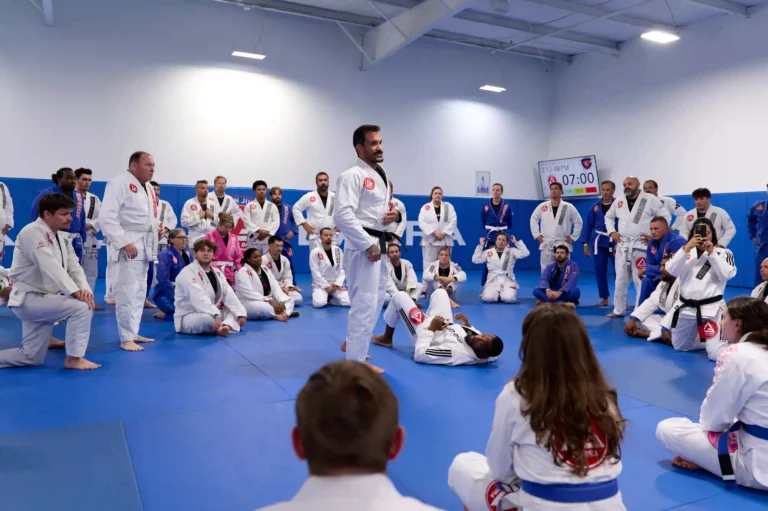
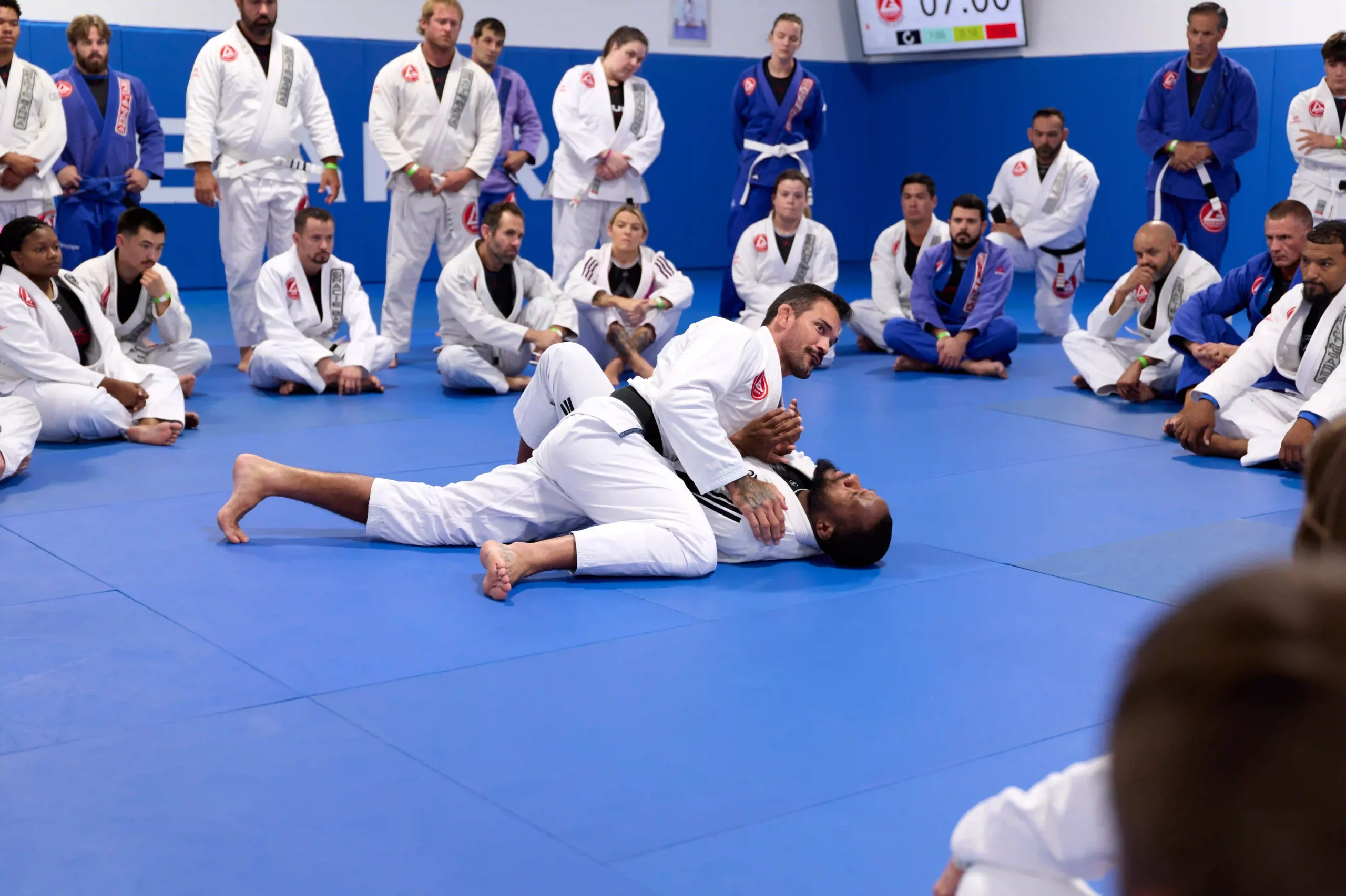
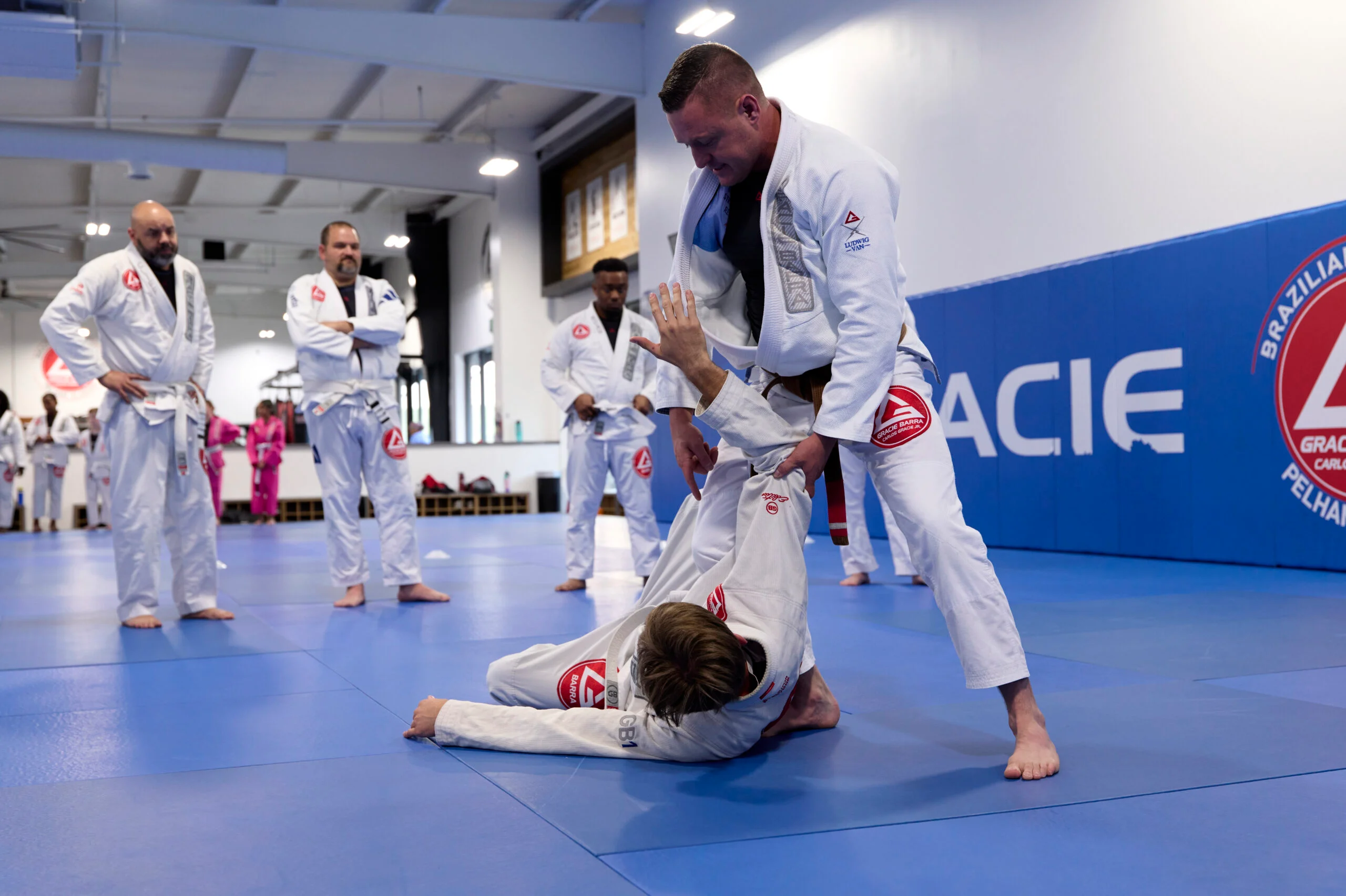
Each academy sets its own structure, but many BJJ classes follow a familiar pattern: a warm-up, technique instruction, partner drilling, and some live training at the end. Knowing that sequence helps you settle in instead of wondering what comes next.
Warm-Up and Technique Practice
Warm-ups often include grappling movements such as shrimping along the mat, forward and backward rolls, and breakfalls. They can feel awkward on day one, and nobody expects a new student to do them smoothly. If conditioning worries you, it helps to know that you do not need to be in shape to start training; fitness tends to build as a side effect of showing up.
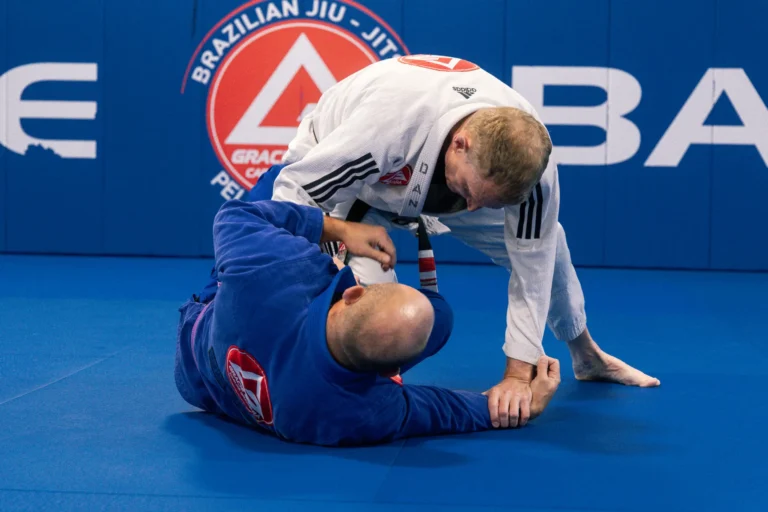
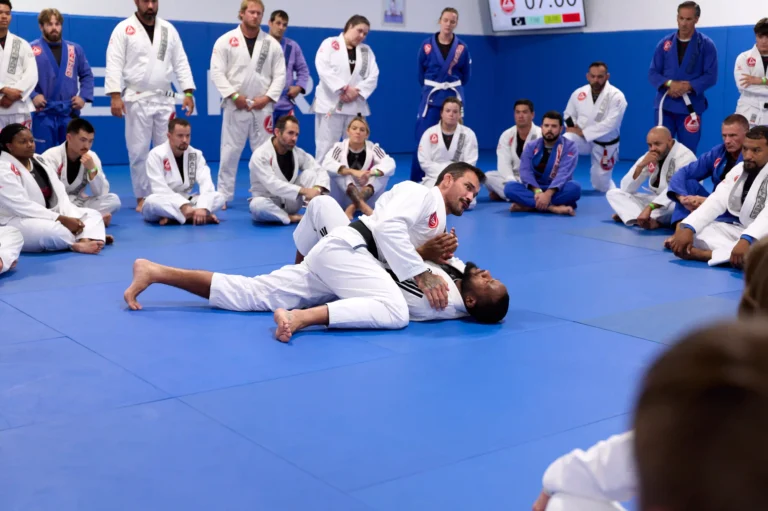
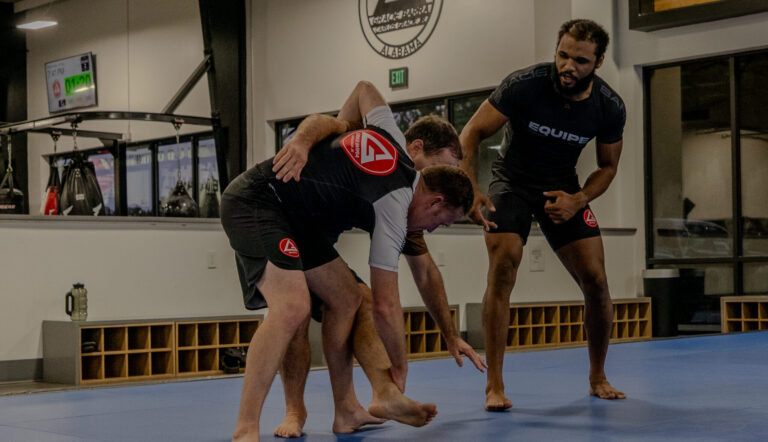
The instructor then demonstrates a technique, often a position, an escape, or a simple sweep, and you practice it with a partner. One person drills while the other offers light resistance or none, and then you switch. The goal is to understand the steps, not to win, so go slowly and ask questions.
Sparring: When Beginners Start Rolling
Live sparring, called rolling, is where students test techniques against resistance. It is the part most newcomers worry about, and policies differ. Some academies have new students watch or work positional drills before full rolls, while others let beginners roll lightly with experienced partners from day one. Ask the instructor how it works.
If being taken down is your main concern, many schools teach breakfalls early for exactly that reason. Learning how to fall safely in jiu-jitsu before trying throws makes standing work far less intimidating.
BJJ Etiquette for Beginners on the Mat
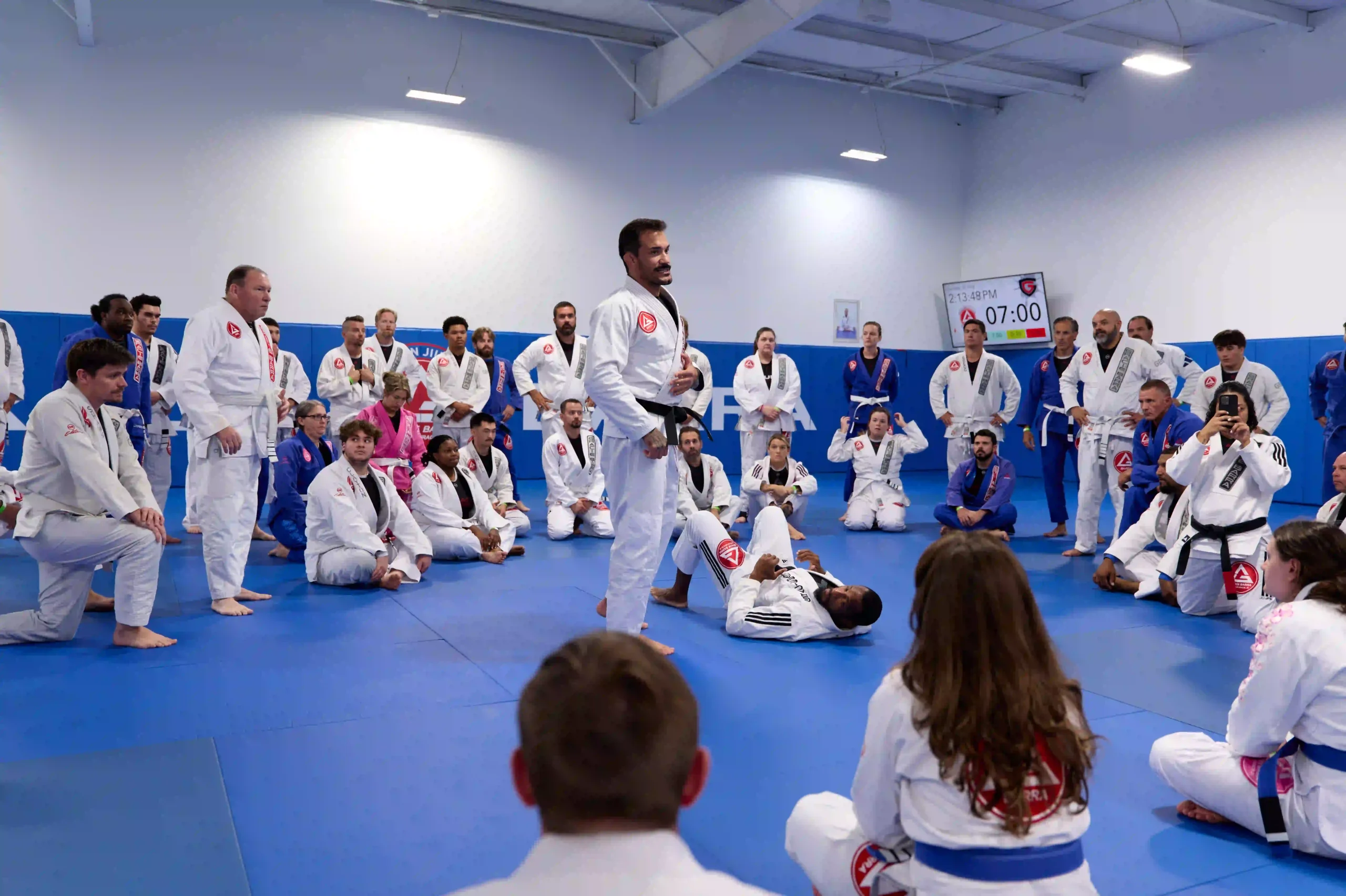
Etiquette in jiu-jitsu is less about formality and more about keeping everyone safe. Arrive a few minutes early to handle paperwork, meet the instructor, and mention any injuries before class starts. If others bow or pause at the edge of the mat, do the same.
The most important rule is the tap. When a partner applies a submission, you tap their body or the mat, or say "tap," and they release right away. Tap early rather than late; there is no prize for holding out. When your partner taps, let go immediately.
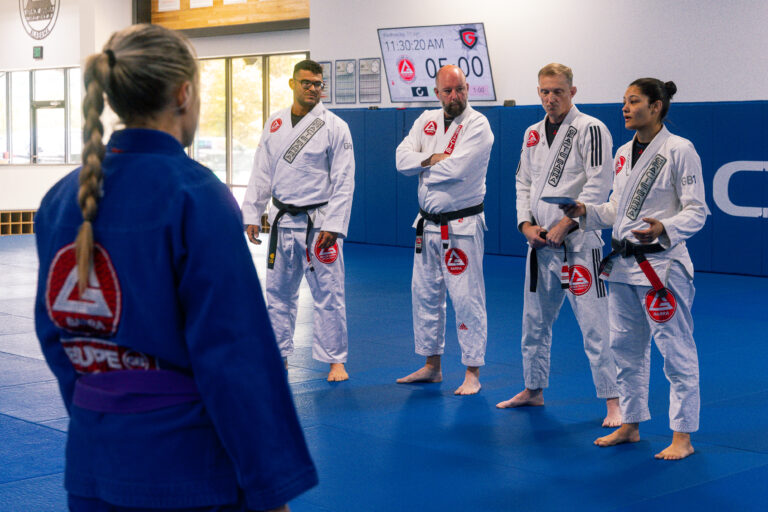
Pick partners close to your size when you can, match your intensity to theirs, and leave the coaching to the instructor. You will also see colored belts around the room. As a white belt, you are at the start of the belt and stripe progression in jiu-jitsu, and nobody expects you to know more than you do.
Questions to Ask Before and After Your First Session
A little preparation turns a nervous visit into a useful one. Before booking, ask what to wear, whether there is a class aimed at beginners, how sparring is introduced, and whether you should arrive early for paperwork. The schedule at Gracie Barra Pelham covers kids, teens, and adults from beginner to advanced levels, so asking which session suits a first-timer is a sensible place to start.
After class, write down what you practiced, even if it is just the name of one escape, and note anything that confused you so you can ask next time. Expect some soreness in unfamiliar places, and plan your next session a day or two later to see how your body responds.
Turning One Class Into a Steady Routine
The first class answers one question: do you like the experience? The next few weeks answer a more practical one: can training fit into your life? Choosing two regular class times and treating them like appointments is usually easier than deciding each day whether to go.
Progress often feels slow at first because so much is new. Understanding why consistent training drives long-term progress makes those early weeks easier to stick with. Once you feel settled, browse the full list of programs offered in Pelham to see which disciplines sit alongside BJJ.
DISCOVER Gracie Barra Pelham
CLICK HEREYour First BJJ Class Is for Learning, Not Proving
Your first BJJ class is not a test. You are there to learn how the mat works and see whether the atmosphere suits you. Wear clean, simple clothes, arrive early, tap early, and ask questions, and you have done everything a new student is expected to do. If Gracie Barra Pelham is on your list, bring the questions above to your first visit and judge the class by how clearly things are explained, not by how well you performed.
The next step is simple: pick a class time, confirm what to wear, and give yourself several sessions before deciding how you feel about jiu-jitsu. One class shows you the room. A few weeks show you the sport.